Building habits that survive holidays and life events

Most habit-building strategies fail because they are designed for a sterile laboratory environment rather than the chaotic reality of everyday life. As fitness professionals, we frequently witness clients maintain immaculate routines for weeks, only to abandon them entirely after a weekend trip or a busy period at work. The fault does not lie with their willpower, but with the rigid structure of the habits we help them design. We must learn to build systems that bend rather than break when life gets complicated.
The Fragility of All-or-Nothing Routines
When we prescribe binary habits—such as a rigid requirement to train for one hour five days every week—we inadvertently set up our clients for failure. This all-or-nothing approach triggers what psychologists call the abstinence violation effect: once a single session is missed, the client feels the entire programme is compromised, leading them to abandon their efforts entirely. Holidays, work deadlines, and family emergencies are not unexpected disruptions; they are predictable features of human existence. To build truly resilient clients, we must move away from rigid targets and teach them how to scale their efforts dynamically. By expecting and designing for volatility from the outset, we transform how clients perceive their own progress.
Implementing Tiered Habit Frameworks
- Establish three tiers of success for every habit, defining a 'green' level for optimal days, an 'amber' level for busy days, and a 'red' level for extreme emergencies where only a bare minimum action is required.
- Rephrase workout goals from strict time blocks to movement volume targets, allowing a client to swap a forty-five-minute gym session for a ten-minute bodyweight mobility circuit in their hotel room.
- Introduce 'if-then' planning during your coaching conversations to help clients pre-determine exact adjustment strategies before they face disruptive travel, long commutes, or stressful social events.
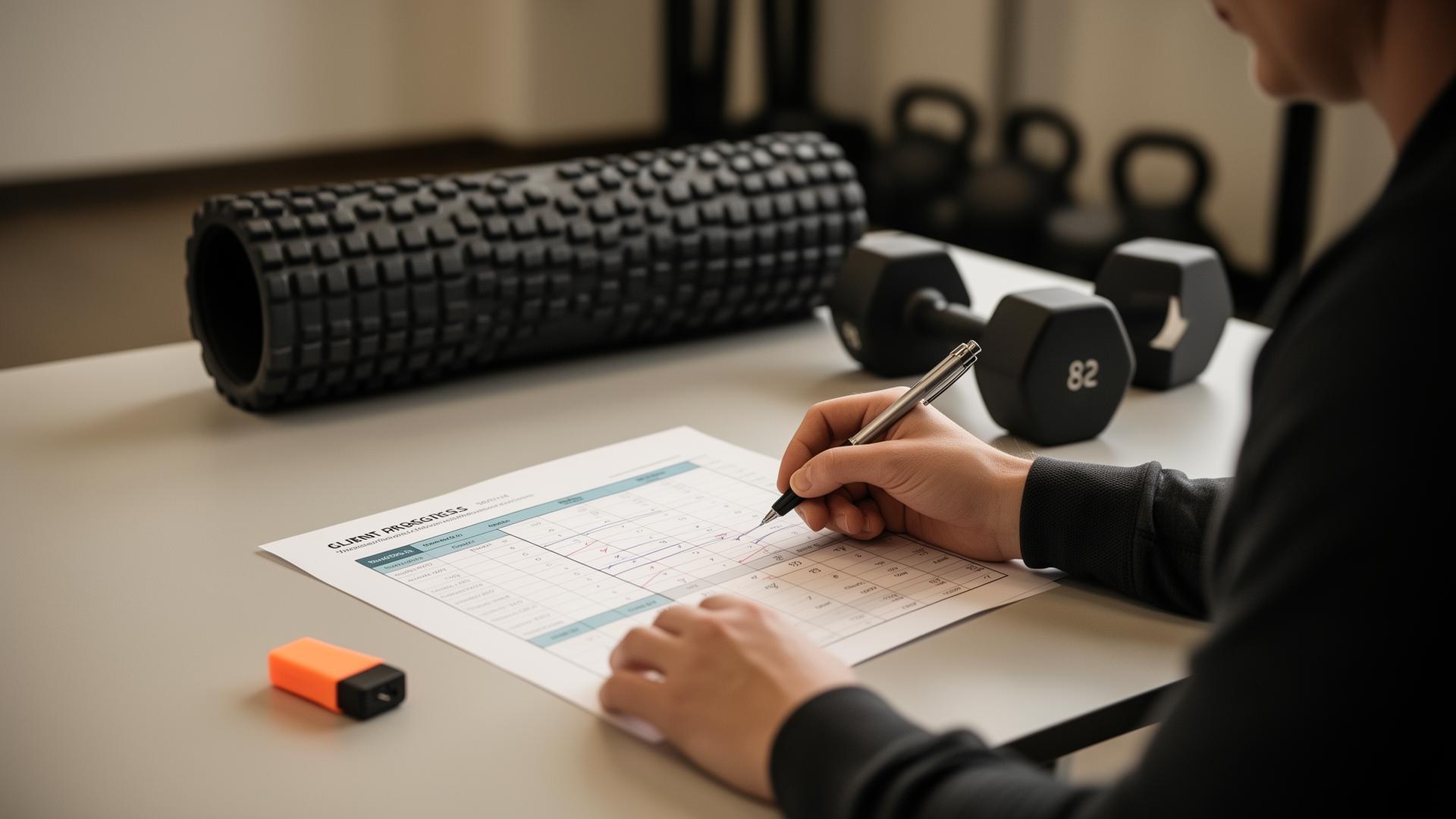
- Shift the tracking focus from weekly perfection to long-term consistency, encouraging clients to measure their success by monthly averages rather than consecutive daily streaks that set them up for disappointment.
- Design physical transition rituals that help clients step back into their normal routines without guilt after a period of lower-tier compliance, ensuring they do not view holidays as a moral failing.
Coaching Through the Travel Pivot
Travel is the ultimate test of habit resilience, yet it is also where we can demonstrate our greatest value as guide-figures. Instead of expecting clients to locate a specialised gym while abroad or packing impossible meal prep containers, we should encourage them to focus purely on preserving the identity of being an active person. This might mean swapping their usual heavy lifting for a basic ten-minute morning mobility routine performed on their hotel room floor. By keeping the neural pathways of the habit active—even in a highly simplified, low-effort format—we ensure that returning to their normal high-effort routine upon arrival home requires minimal mental friction.
Redefining Success Beyond the Streak
Continuous daily streaks are highly satisfying when things are going well, but they carry a hidden psychological risk: once broken, the perceived cost can feel devastating to a client's momentum. As professional coaches, we must actively encourage our clients to value the skill of recovery over the illusion of perfect adherence. A client who successfully modifies their nutrition plan during a period of bereavement or a family holiday has not failed; they have demonstrated advanced self-regulation. By celebrating these flexible adjustments rather than mourning a broken streak, we foster the long-term emotional intelligence required for lifelong physical health and lifestyle autonomy.
"Consistency is not about never failing to meet the ideal; it is about how quickly and gracefully you return to your baseline."
Dr Priya Shah
Head of Coaching Practice, REPs
Priya leads coaching standards at REPs and has spent fifteen years coaching and mentoring coaches across the UK.