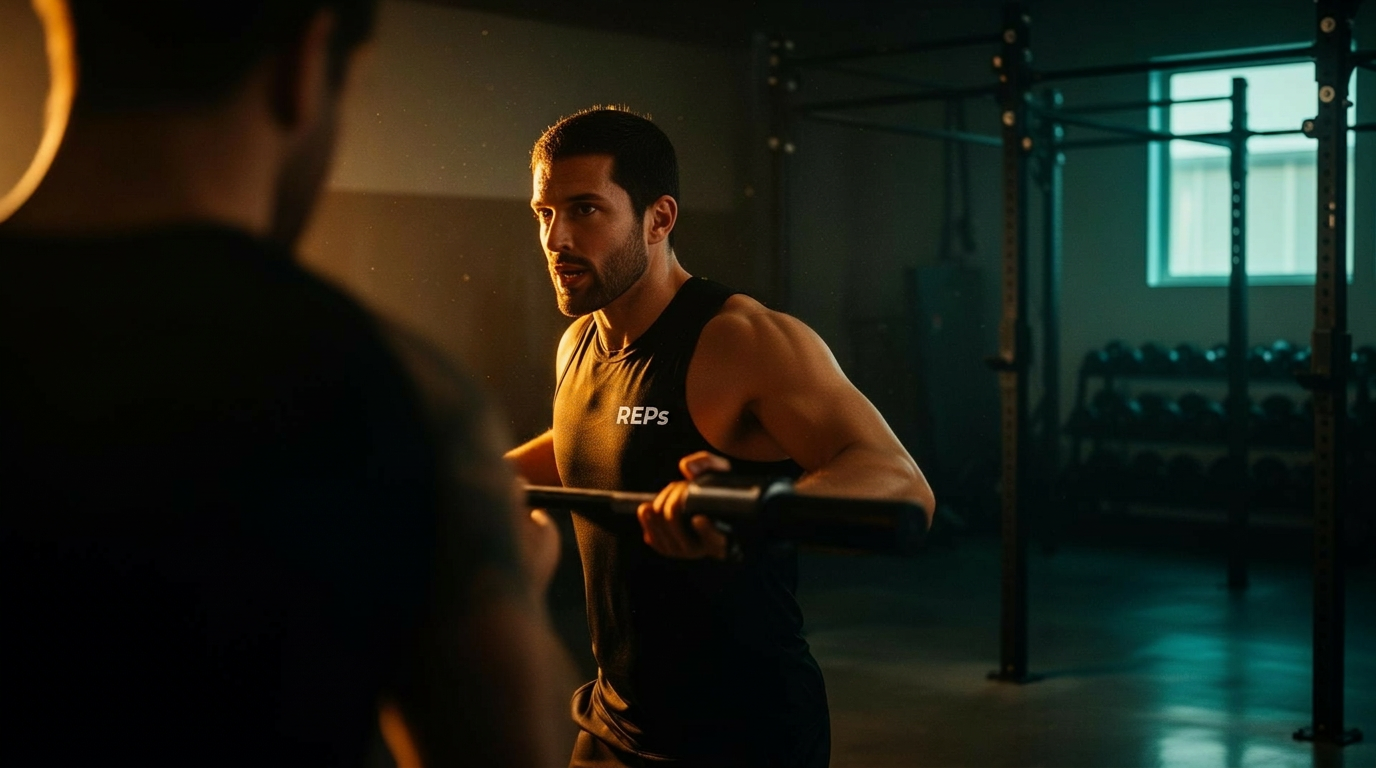
Strength coach vs general personal trainer: how to choose
When you decide to invest in your physical health, the first step is often identifying the right professional guidance. However, launching an online search reveals a clear division in the fitness industry between generalist personal trainers and dedicated strength coaches. Selecting the incorrect pathway can easily lead to stalled progress, lost motivation, or unnecessary physical frustration. At REPs, we believe that understanding these professional distinctions is critical to finding matches that actually succeed, ensuring your time, energy, and resources are spent effectively on the gym floor from your very first session under professional supervision.
Defining the role of a general personal trainer
A general personal trainer is your guide to versatile physical fitness, sustainable lifestyle habits, and robust overall health. Their training covers a broad spectrum of physical disciplines, including metabolic conditioning, basic resistance training, mobility exercises, and nutritional habit coaching. If your objectives include shedding body fat, improving cardiovascular endurance, or simply building a consistent weekly exercise routine, a general personal trainer is highly effective. They excel in the psychology of behaviour change, helping clients navigate the initial barriers to starting a regular exercise programme. Their sessions are deliberately designed with sufficient variety to ensure workouts remain engaging while building a broad foundation of functional movement patterns that support your daily life.
Indicators that you require a specialist strength coach
- You want to focus on barbell-specific disciplines such as powerlifting, Olympic weightlifting, or competitive strongman training in a dedicated facility.
- Your primary fitness goal is to maximise absolute physical strength and lift significantly heavier loads through compound movements over sequential months.
- You need meticulous, highly technical analysis of your lifting mechanics to safely overcome persistent performance plateaus and avoid mechanical injuries.
- You require structured block periodisation programmes specifically mapped out to prepare you for formal athletic events or regional lifting competitions.
- You already possess a solid foundation of cardiovascular fitness and want to concentrate purely on compound resistance progression and muscular hypertrophy.
How programming philosophies diverge
The fundamental difference between these two roles lies in their core programming philosophy. A personal trainer typically designs weekly or monthly training routines that prioritises safe energy expenditure, lean mass preservation, functional movement patterns, and cardiovascular health. In comparison, a professional strength coach operates on strict, long-term periodisation models. They map out training phases over several months, focusing on progressive overload, precise volume management, and neuromuscular adaptation. In a strength coach's programme, every single repetition, target intensity percentage, and rest interval is calculated to drive specific structural adaptation. This highly structured approach is essential for heavy barbell training but is often unnecessary if you are simply seeking general physical wellbeing.
Assessing your commitment and training environment
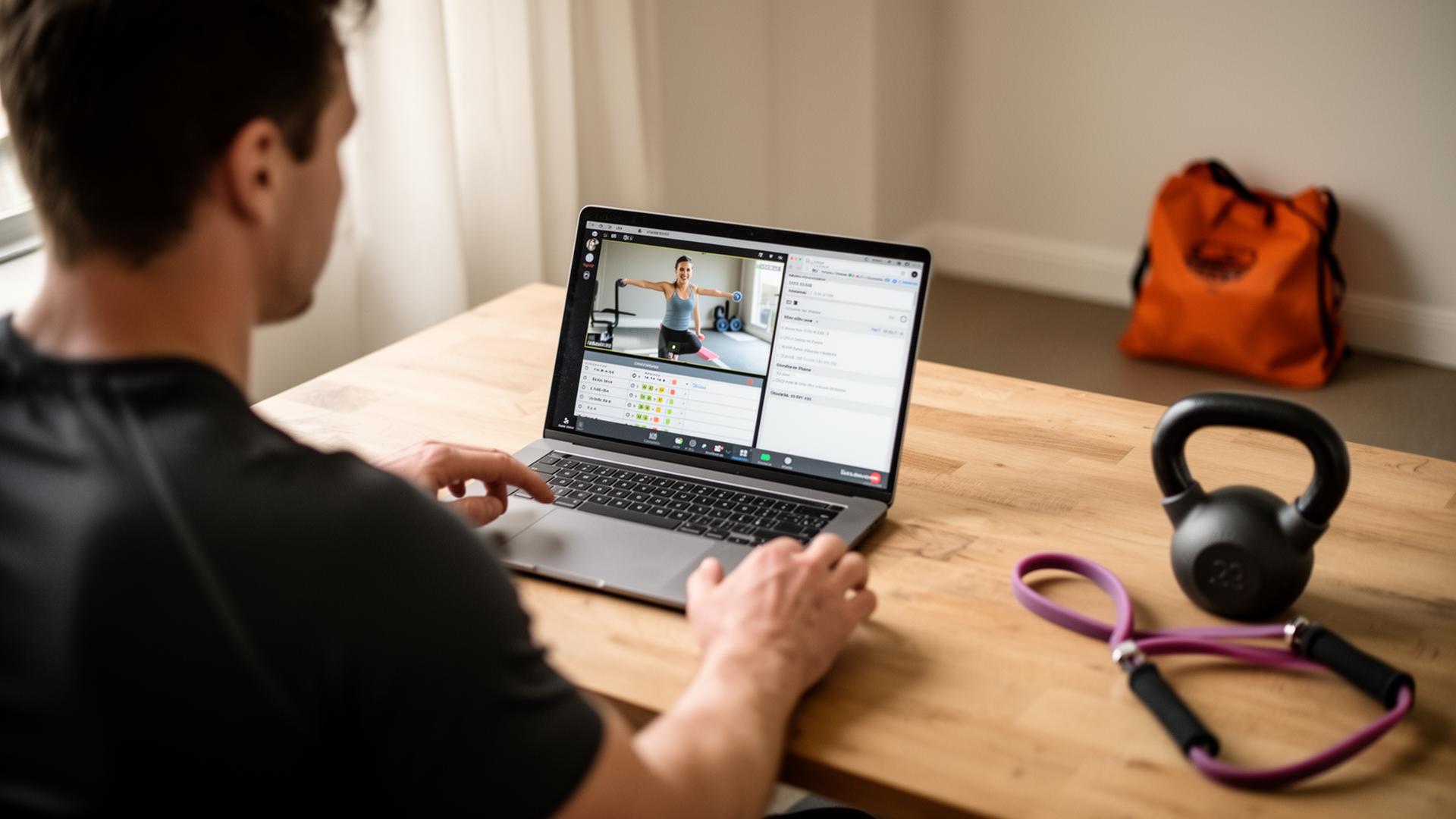
Your choice must also align with your practical capacity for commitment and the type of training environment in which you prefer to work. Strength coaching demands rigorous, uncompromising adherence to a specific programme without last-minute deviations, alongside meticulous tracking of your lifting metrics, nutritional intake, and daily recovery data. A general personal trainer offers far greater session flexibility on the gym floor, easily adapting a planned workout if you arrive feeling stressed, fatigued, or short on physical energy. We recommend assessing your current lifestyle constraints honestly before selecting a professional. Both pathways offer immense value, but close alignment with your personal lifestyle is what guarantees long-term consistency and real physical progress.
"Selecting the right specialist is not about finding the coach with the most advanced credentials, but finding the one whose daily training philosophy directly matches your personal objectives."
Sophie Marshall
Editor, REPs
Sophie writes the REPs consumer guides and has covered the UK fitness industry for over a decade.