Coaching clients through perimenopause and menopause

At REPs, we have witnessed a substantial shift in how the fitness industry addresses female hormonal transitions. For decades, menopause was treated as a niche concern that clients navigated in isolation. Today, registered fitness professionals recognise that supporting clients through perimenopause and menopause requires a structured, evidence-based approach. It is not about prescribing fragile, low-intensity movement, but rather understanding how hormonal shifts alter physical capacity and adjusting our strength, conditioning, and recovery strategies to support long-term metabolic health and functional independence.
Understanding the physiological shift
During perimenopause and menopause, declining estrogen levels trigger significant physiological changes, including a decline in skeletal muscle mass, bone mineral density, and metabolic efficiency. This is not a signal to steer clients toward low-impact, lightweight routines; rather, it makes progressive strength training absolutely essential. As coaches, we must focus on counteracting these biological changes. Research demonstrates that heavy strength training and high-impact multi-directional movements are incredibly effective at stimulating osteogenesis and preserving lean tissue. We need to move beyond generic cardio programmes and design resistance routines that actively protect joint health, while treating daily energy fluctuations with empathy and structured flexibility.
Evidence-based programming principles
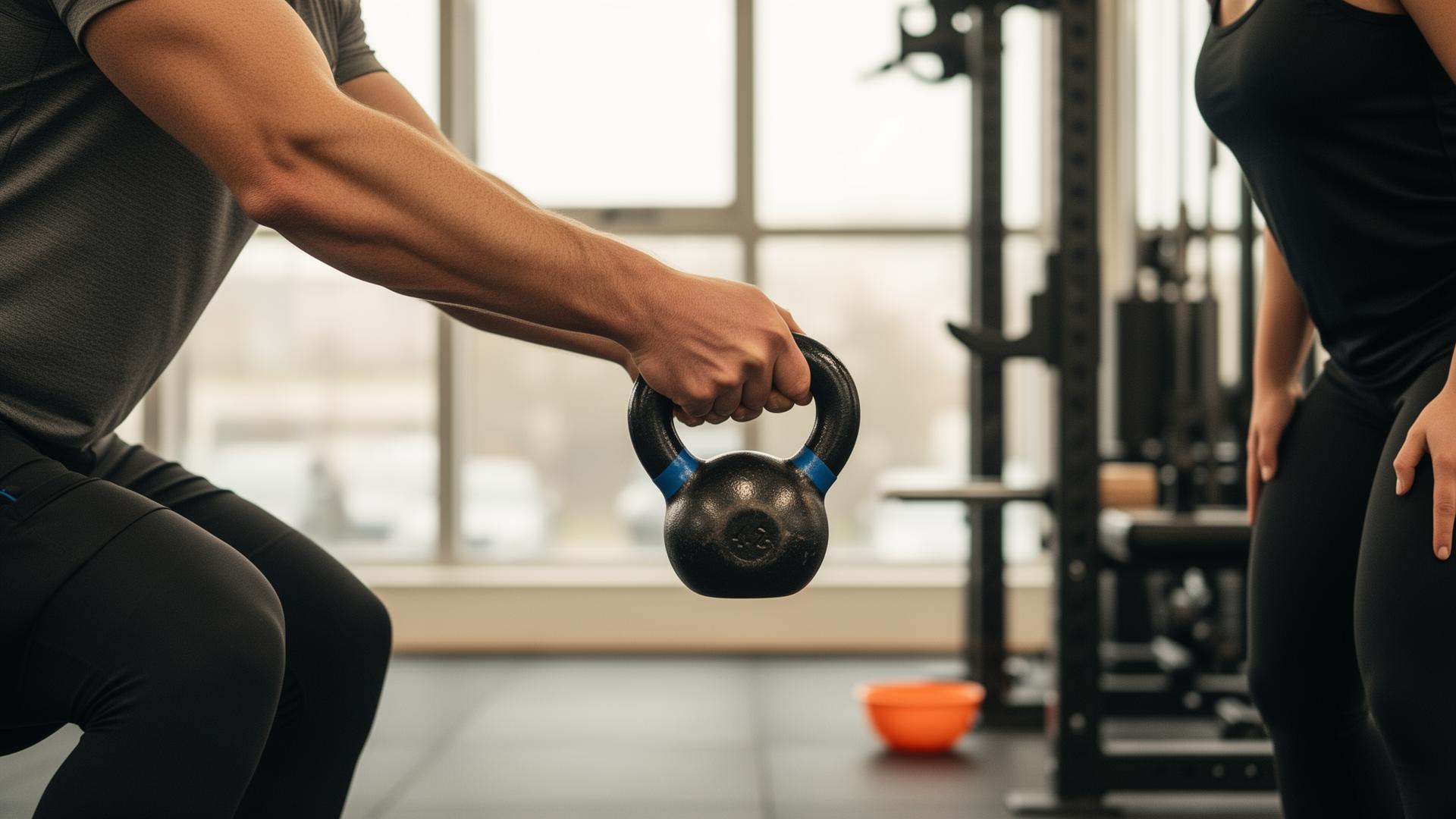
- Prioritise heavy compound resistance training at least twice a week, focusing on progressive overload with movements like squats, deadlifts, and overhead presses to combat sarcopenia.
- Integrate short, high-intensity sprint interval training rather than prolonged, exhaustive steady-state cardio to protect lean muscle tissue and help manage elevated cortisol levels.
- Include progressive multi-directional impact work, such as gentle jumping, hopping, or change-of-direction drills, to stimulate bone remodelling in critical areas like the hips and femoral neck.
- Factor in longer, more structured recovery periods and sleep-hygiene tracking to accommodate the compromised recovery capacity that often accompanies hormonal sleep disruptions.
- Emphasise adequate daily protein intake alongside resistance training to trigger muscle protein synthesis effectively, supporting muscle retention during this endocrine transition.
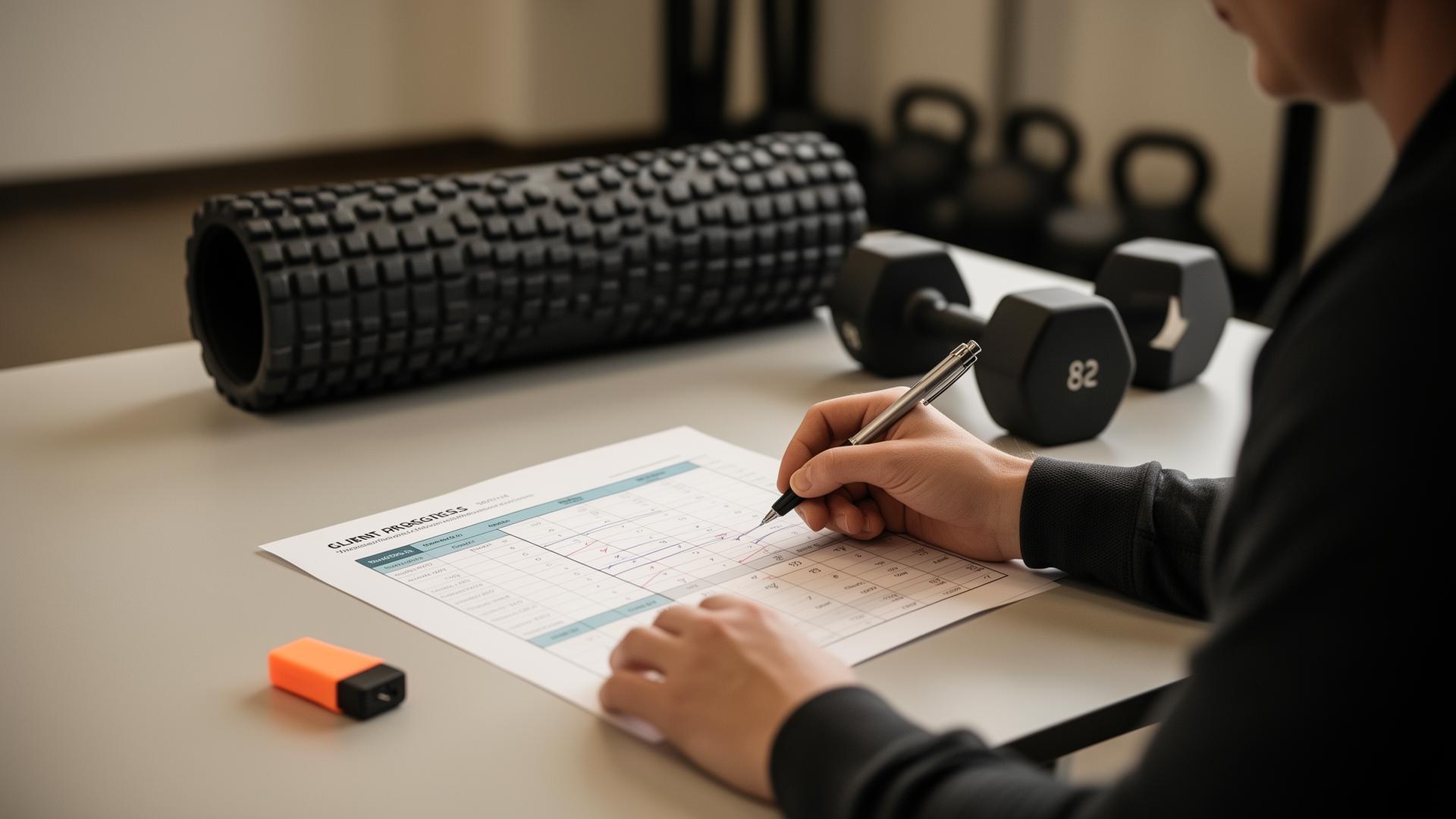
- Track physical symptoms alongside training volume to identify patterns, allowing you to adapt intensity down during periods of high fatigue, joint discomfort, or intense hot flushes.
Staying within the scope of practice
While a REPs registered professional is highly qualified to prescribe safe exercise, we must respect the hard boundary between fitness coaching and medical management. Many clients will experience complex symptoms, from severe sleep disruption and hot flushes to debilitating joint pain, anxiety, and pelvic floor dysfunction. Our role as personal trainers is strictly limited to exercise prescription, behavioural support, and non-clinical nutritional guidance. We cannot diagnose conditions, recommend specific hormone replacement therapy adjustments, or interpret medical blood tests. When a client presents with complex physical or emotional symptoms, our primary duty of care is to guide them toward a qualified GP, specialist gynaecologist, or pelvic health clinician.
Managing communication and client care
Effective coaching during this life stage is rooted in open, transparent communication and highly flexible session design. A client who slept poorly due to night sweats or experienced sudden fatigue may not benefit from a high-intensity session; instead, we might pivot the session to focus on mobility, technique, or lower-intensity strength work. This adaptive coaching format builds long-term trust and ensures the client remains consistent with their training rather than skipping sessions out of frustration. By utilising objective screening during consultations, such as tracking symptom trends alongside workout performance, we can adapt our coaching style to provide maximum support without exceeding our defined professional boundaries.
"Professional fitness coaches provide the physical foundation for healthy aging, but we must always collaborate with medical partners when symptoms shift from normal physical transitions to clinical concerns."
Dr Priya Shah
Head of Coaching Practice, REPs
Priya leads coaching standards at REPs and has spent fifteen years coaching and mentoring coaches across the UK.