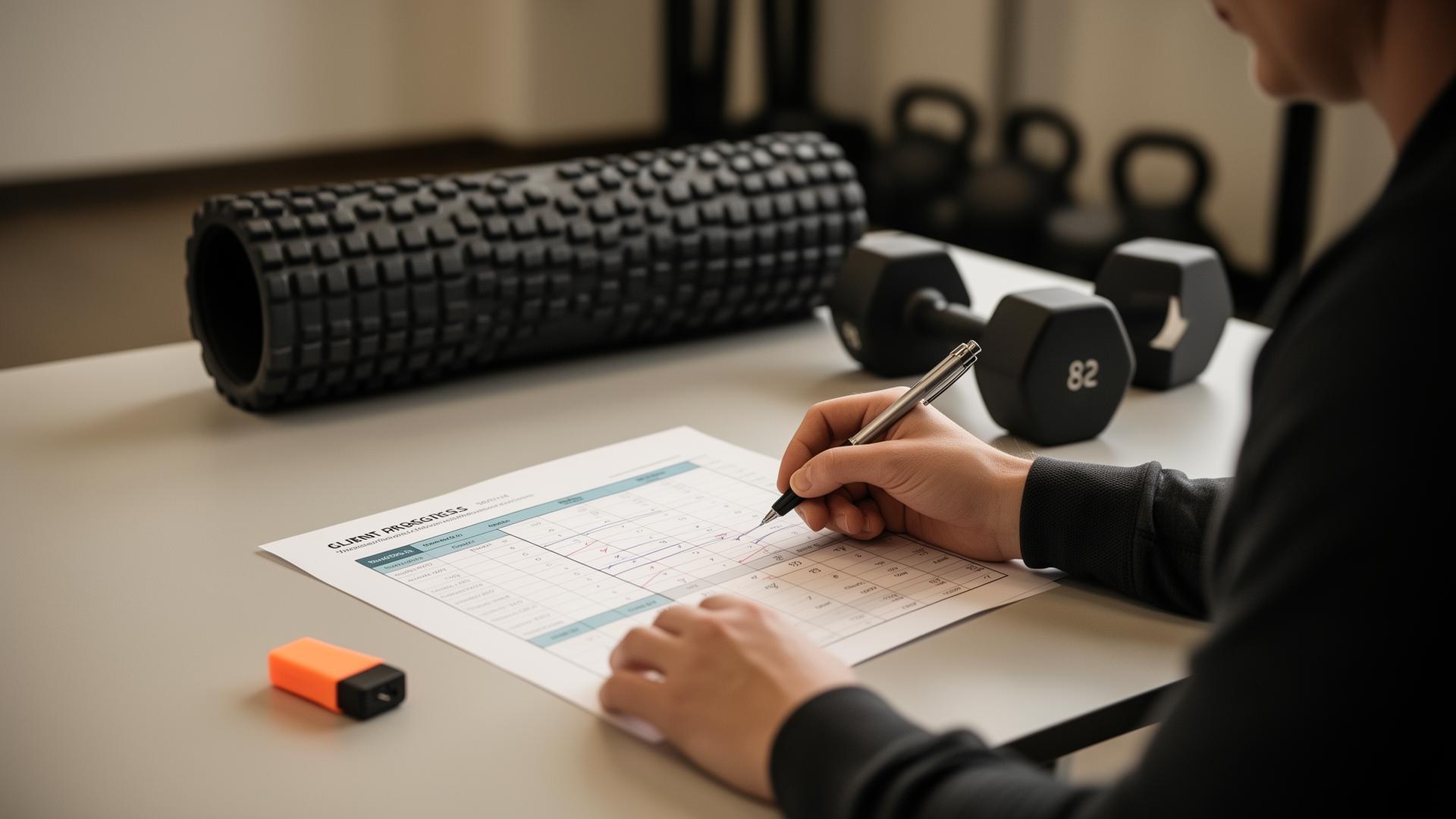
Coaching the time-poor executive client

High-earning corporate professionals represent an exceptionally valuable and rewarding demographic for personal trainers, yet they are often the most complex to retain over the long term. These high-performing individuals constantly struggle to secure consecutive, uninterrupted blocks of personal time within their working week, and their calendar can disrupt at a moment's notice due to urgent international travel, late-night board meetings, or unforeseen corporate crises. To coach these clients successfully, we must abandon rigid, traditional gym templates. Instead, our professional role as trainers is to design highly adaptable, friction-free programmes that integrate effortlessly into an unpredictable, high-pressure corporate environment. By prioritising flexibility over perfection, we can help these clients maintain their physical health without added stress.
Redefining the Weekly Training Architecture
When working with a highly pressured executive, attempting to enforce an inflexible three-day full-body routine will quickly create mental friction and reduced adherence. We advise restructuring their physical training around three or four shorter, thirty-minute training windows that can be rescheduled dynamically on a daily basis. Focus entirely on compound, multi-joint exercises that generate a significant cardiovascular and muscular stimulus within a compressed timeframe. Utilising supersets allows you to pair non-competing movement patterns, such as a horizontal press with a chest-supported row, which keeps the total session time low while keeping safety and physical output exceptionally high. These short, focused blocks can easily be scheduled during lunch hours or before early morning meetings.
Strategic Rules for Managing Friction and Unpredictability
- Establish a firm fifteen-minute minimum threshold for a workout to count, helping the client maintain their psychological routine even when a full session is absolutely impossible.
- Program a secondary, travel-focused bodyweight routine that can be completed effortlessly in a hotel room without the need for specialised resistance equipment.
- Use weekly autoregulation techniques to adjust weights and intensities dynamically based on daily sleep, stress, and energy levels rather than relying on rigid percentages.
- Condense the initial warming-up physical process by integrating dynamic mobility and preparation drills directly into the lighter build-up sets of the first compound exercise.
- Adapt your client management communication to match their professional environment, using brief voice messages or short emails rather than long, high-friction review questionnaires.
Establishing Clear Off-Ramps for High-Stress Weeks
Inevitably, there will be challenging weeks where your executive client is unable to visit a commercial training facility due to overwhelming business commitments. In these extreme scenarios, the primary objective of the personal trainer must shift immediately from progressive physical overload to simply preserving the psychological habit of consistent movement. We encourage coaches to establish a formal "minimum viable dose" programme that is pre-agreed during the onboarding phase. This simplified, fifteen-minute routine of basic bodyweight movements requires no external equipment. By formalising this functional backup protocol, you eliminate the negative cycle of personal guilt, maintain momentum, and ensure the client remains active until their professional calendar settles.
Communicating in the Language of the Executive
Corporate leaders are deeply accustomed to managing scarce structural resources, calculating financial investments, and demanding objective data to drive their business decisions. As fitness professionals, we must frame their health metrics using a very similar, objective vocabulary. Avoid academic training jargon and instead focus on how physical fitness directly improves their executive performance, daily stress resilience, and deep sleep quality. Deliver your professional coaching communication through concise, clear channels, utilising modern digital platforms that allow them to track their progress in real-time. When you position physical training as a high-yield investment rather than an added task, it becomes an essential asset to their ongoing career success.
"Consistency in a compromised programme will always outperform a perfect routine that the client cannot execute."
Dr Priya Shah
Head of Coaching Practice, REPs
Priya leads coaching standards at REPs and has spent fifteen years coaching and mentoring coaches across the UK.