Finding a running coach in the UK in 2026

Working with a professional running coach can elevate your physical performance, refine your technique, and protect you from injury, yet navigating the modern fitness landscape requires a clear understanding of what quality instruction looks like. As running participation reaches historic heights across the UK, finding the right professional is not about following trending fitness personalities online. Instead, it requires identifying coaches who hold recognised national qualifications, understand your physiological needs, and design structured, highly adaptable physical programming around your everyday professional and family schedule.
Verifying professional credentials and insurance
In the United Kingdom, a competent running coach should hold a recognised qualification, typically awarded by England Athletics or UK Athletics, such as the Leadership in Running Fitness or Coach in Running Fitness qualifications. Alternatively, a personal trainer holding an advanced Level 3 Diploma who specialises in endurance training can provide excellent, holistic support. These formal credentials ensure the coach understands biomechanics, energy systems, and the application of periodised physical training. Beyond certificates, you should always verify that your prospective coach holds valid public liability insurance and a current outdoor first aid certificate. Confirming these essential documents on the REPs registry protects your safety and guarantees you are working with an industry professional committed to safe, ethical practices.
Aligning coach experience with your racing goals
- Track-focused coaches help athletes improve their vertical alignment, raw stride power, pacing strategy, and running efficiency over shorter distances by utilising structured track sessions.
- Trail and ultra-marathon specialists focus on climbing economy, technical descent techniques, hydration and nutrition strategies, and mental resilience for self-sufficient running in remote environments.
- Road running coaches specialise in physiological pacing, running shoe selection, and progressive mileage builds for 10k, half marathon, and marathon distances on hard tarmac surfaces.
- Biomechanics-oriented coaches analyse running gait, posture, and muscle imbalances to suggest targeted strength and conditioning work that reduces recurring chronic injury risks.
- Youth and masters specialists adapt training intensities, recovery periods, and joint-preservation drills to match the physiological age, bone density, and training history of the runner.
- Multi-stage event coaches offer expertise on race day logistics, hydration packs, and pack-weight management for self-sufficient multi-day events.
Analysing programming philosophy and communication styles
A quality running coach does not simply hand over a generic, non-interactive spreadsheet of weekly mileage or expect you to follow a repetitive template. Effective programming relies on the scientific principles of progressive overload, balanced recovery, and structured physiological variations such as threshold runs, interval sessions, and easy aerobic recovery runs. During your initial consultation, ask how the coach monitors training load. A modern professional will track your heart rate, rate of perceived exertion, sleep metrics, and recovery markers through digital platforms. They should explain the physiological purpose behind every specific training block and adjust your weekly schedule dynamically based on real-world life stress and physical feedback.
Choosing between in-person sessions and remote programming
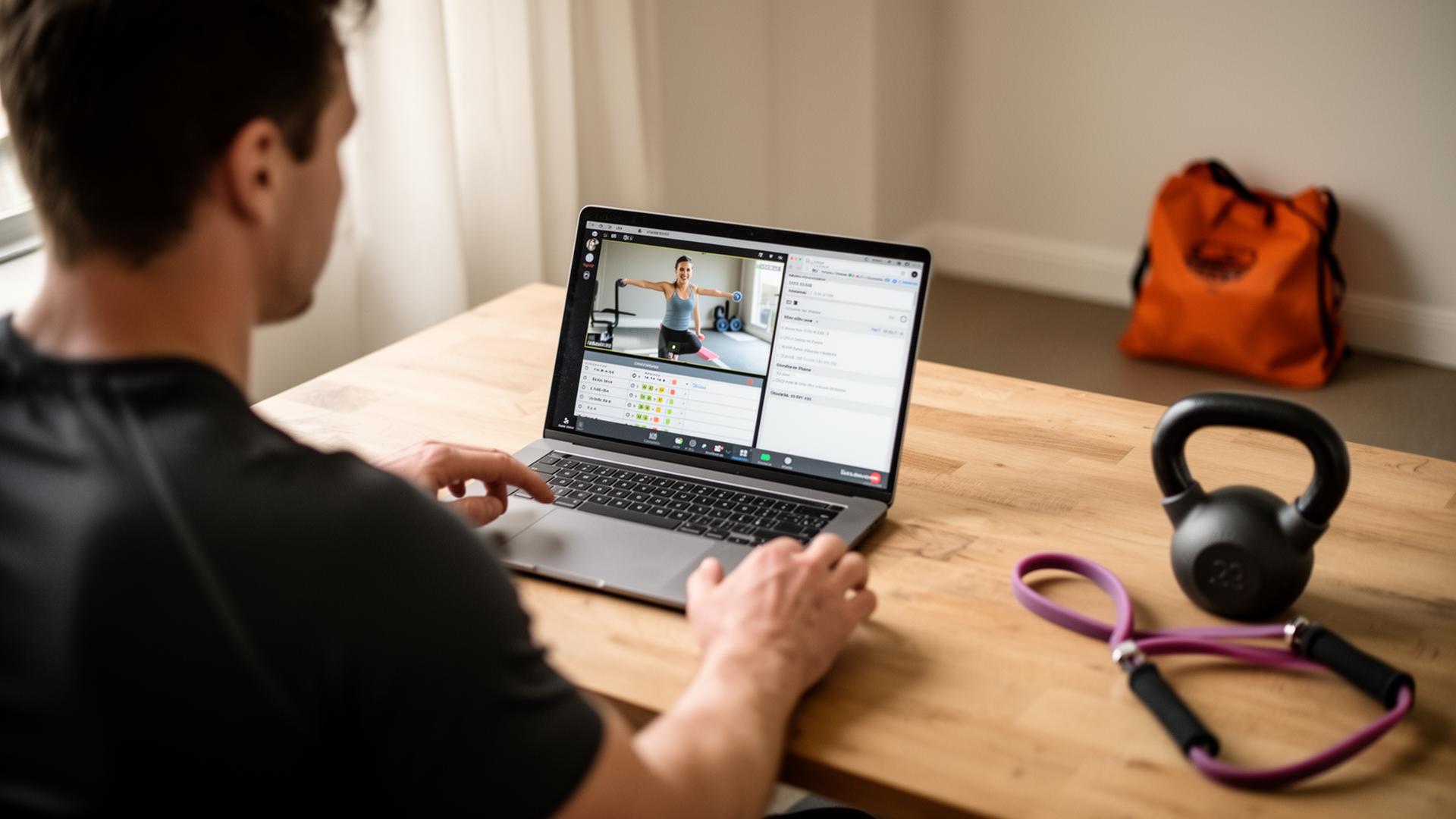
Deciding between local, in-person training and online, remote coaching depends heavily on your learning style, personal budget, and geographic location. In-person coaching offers immediate biomechanical feedback, real-time pacing support, and direct accountability, making it highly beneficial for beginners or those returning from significant injuries. Conversely, remote coaching provides access to high-level specialists across the country regardless of physical boundaries. Remote coaches leverage dedicated training applications to analyse wearable telemetry, offering detailed post-run analytical feedback and fluid alterations to your schedule. Many runners select a hybrid model, receiving remote digital programming alongside periodic in-person track sessions to physically refine their running form under an expert eye.
"Professional UK running coaching successfully combines physiological science with consistent, dynamic communication to keep athletes of all abilities moving forward safely."
Sophie Marshall
Editor, REPs
Sophie writes the REPs consumer guides and has covered the UK fitness industry for over a decade.