Finding an online nutrition coach without getting burned

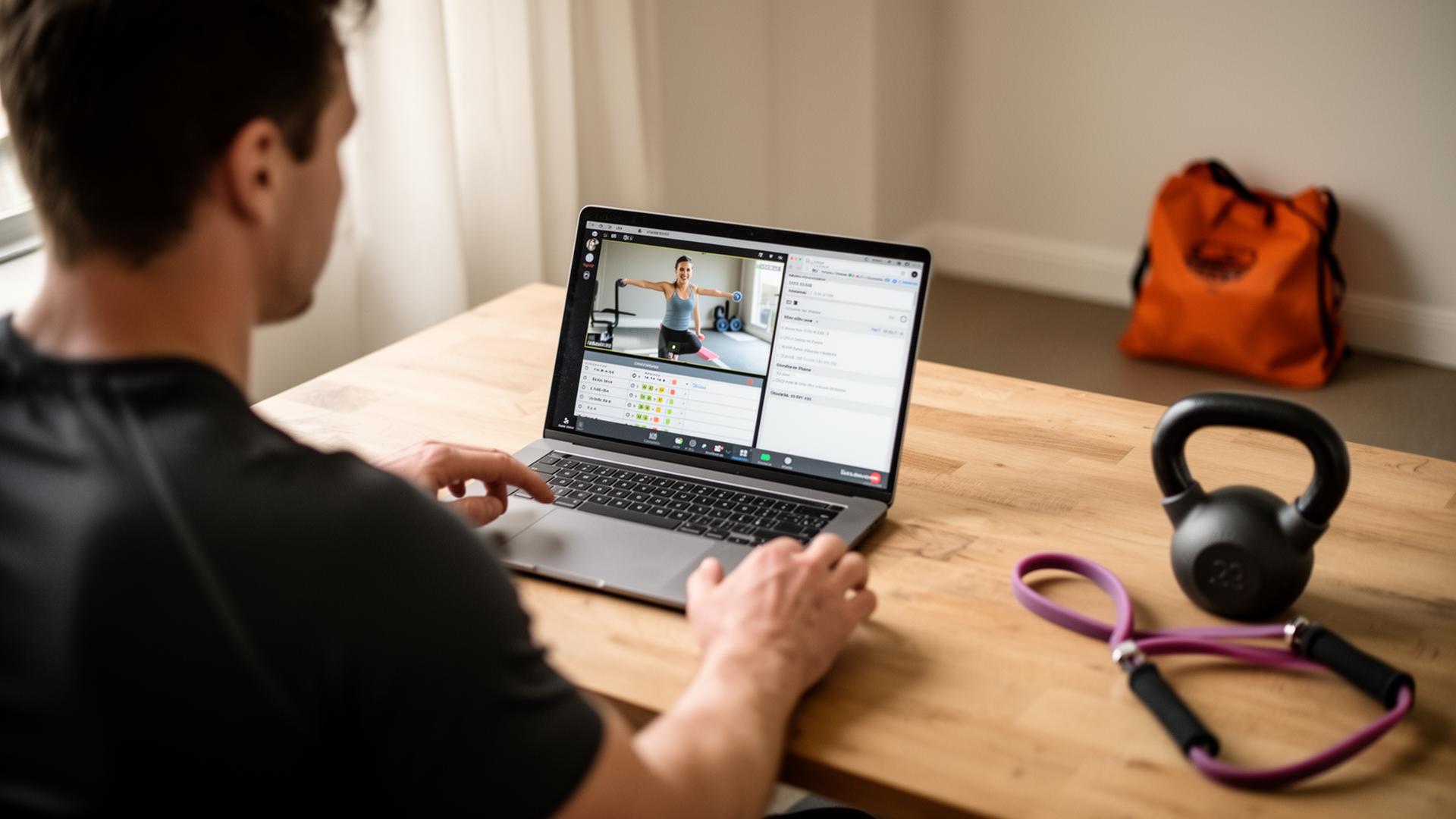
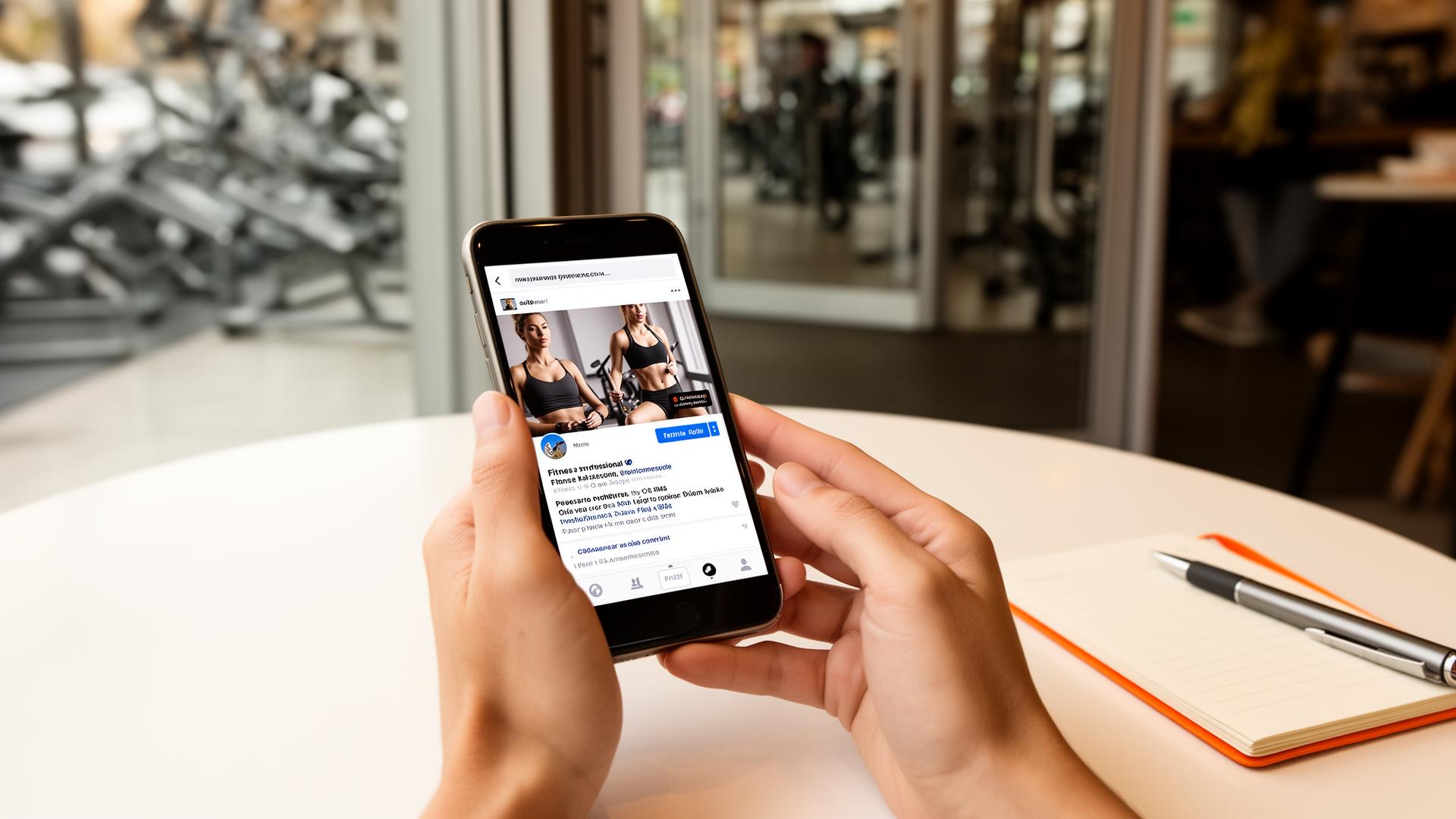
The rise of online coaching has made nutrition advice more accessible than ever, but it has also opened the door to unqualified social-media diet sellers. Many individuals offering dietary plans online lack formal education, leaving clients vulnerable to ineffective or even dangerous protocols. Distinguishing between a qualified professional and an influencer who simply shares their personal meal plan is essential. We want to help you navigate this crowded online space to find a coach who prioritises your health and works within their verified scope of practice.
Understanding the distinction between titles
In the UK, the title of 'nutritionist' is not legally protected in the same way as 'dietitian', which means anyone can adopt it. Registered Dietitians are clinical professionals who treat medical conditions, while Registered Nutritionists have completed rigorous degree-level training in nutrition science. There are also certified nutrition coaches who hold sound vocational qualifications. These coaches are trained to support dietary behaviour change in healthy populations, but they should never prescribe therapeutic diets or diagnose nutritional deficiencies. Knowing these differences helps you set realistic expectations for your guidance.
Red flags to watch for in online spaces
- They sell standardised meal plans containing rigid daily food rules without assessing your lifestyle first.
- They promote rapid, unsustainable weight loss solutions or exclusive, branded supplement lines to all clients.
- They lack visible credentials, professional insurance, or registration with recognised industry bodies on their public profile.
- They offer medical-sounding diagnoses, such as hormone imbalances or gut dysbiosis, without clinical qualification.
- They rely solely on client transformation photos as proof of concept rather than evidence-based practices.
The importance of evidence-based practice
A qualified coach bases their recommendations on peer-reviewed science rather than current social media trends or personal anecdotes. They understand that nutrition is highly individual, influenced by sleep, stress, and physical activity. When you work with a certified professional, they will help you build sustainable habits, educating you on energy balance and food quality rather than restricting entire food groups unnecessarily. This evidence-based approach protects your relationship with food and ensures long-term success. It also safeguards your metabolic health from the damaging effects of extreme, unscientific diets.
Crucial steps for verifying a coach
Before committing your time and hard-earned resources to an online coach, always ask about their qualifications and professional affiliations. A reputable professional will gladly share details of their insurance policy, their certifying body, and their continuing professional development achievements. At REPs, we verify these credentials so you do not have to guess. Our directory lists professionals who have met high industry standards, ensuring they practise safely and ethically. Taking this step protects you from costly mistakes and ensures you partner with someone who genuinely understands human physiology.
"Professional standards in nutrition coaching ensure that your health is guided by established science, not passing trends."
Sophie Marshall
Editor, REPs
Sophie writes the REPs consumer guides and has covered the UK fitness industry for over a decade.