Group training vs one-to-one: which is right for you?
When you decide to invest in professional fitness support to reach your health goals, the first major decision is the format of your delivery. Traditionally, working one-to-one with a trainer was the standard path for anyone seeking structured physical progression. Today, small-group coaching offers a reliable and highly effective alternative that bridges the gap between large, busy studio classes and solo personal training sessions. Understanding how these training choices differ in terms of technical attention, scheduling flexibility, and financial investment helps you select a registered REPs professional who perfectly aligns with your lifestyle and goals.
The technical focus of individual personal training
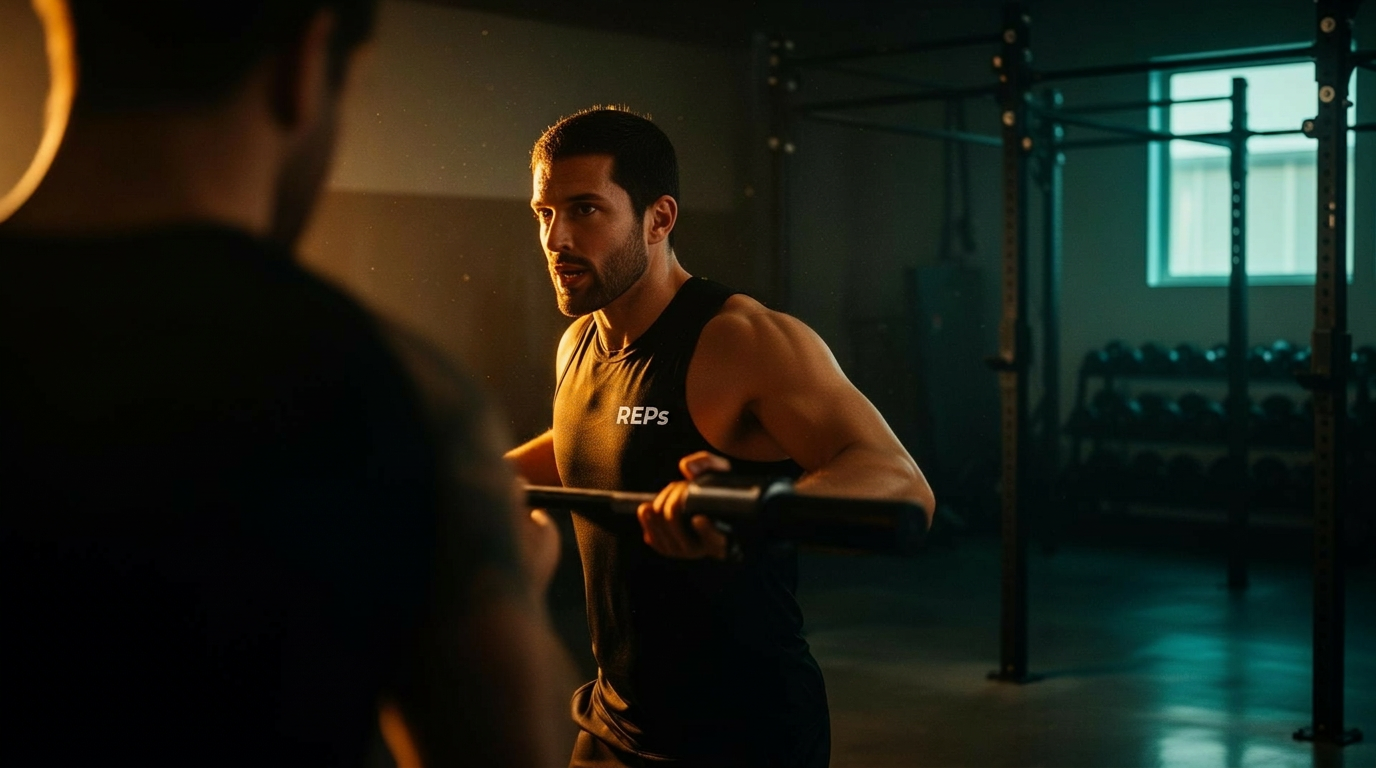
One-to-one coaching provides undivided technical attention from your instructor, making it the most personalised pathway available. If you are recovering from an acute injury, managing a chronic medical condition, or training for a highly specific physical event like a marathon or powerlifting meet, a dedicated personal trainer is indispensable. They observe every single repetition, adjusting your posture, tempo, and movement patterns in real time to prevent training injuries and maximise your biomechanical efficiency. This format also offers complete flexibility with scheduling, as your coach works around your busy timetable. Because the training programme is designed solely for your unique anatomy and rate of recovery, your progress is highly targeted and optimised.
The practical elements of small-group sessions
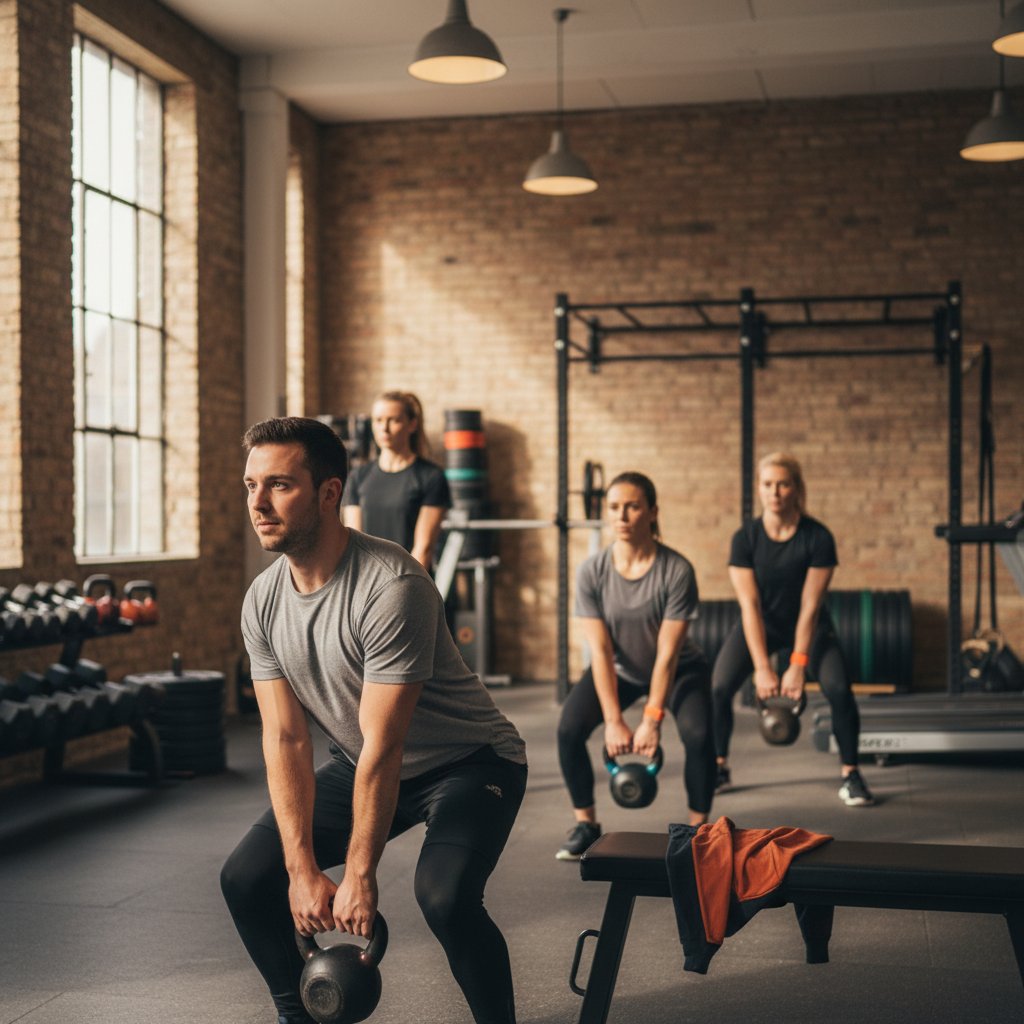
- Small-group training typically involves three to six participants sharing the cost of the trainer's time, making it a highly cost-effective way to access professional coaching without the premium price tag of individual sessions.
- The presence of peers working alongside you creates a natural sense of collective accountability and shared struggle that often boosts consistency and effort during challenging workouts.
- Group sessions operate on fixed weekly timetables, which helps you build a firm, predictable routine around your exercise commitments and reduces the temptation to reschedule at the last minute.
- While your instructor will still correct your form, they must divide their attention among multiple participants, meaning you will not receive constant, second-by-second feedback on your technique.
- The exercise programme is generally designed to accommodate a range of abilities, offering standardised regressions and progressions rather than a completely bespoke movement plan designed for you.
How accountability differs between solo and group environments
Accountability operates in entirely different ways within these two distinct environments. With one-to-one coaching, your commitment is completely personal; your instructor expects you at an exact hour, and your absence is immediately noticed. If you struggle with internal motivation or find yourself frequently cancelling training sessions, this direct, professional relationship provides a powerful buffer against inconsistency. In contrast, small-group training relies heavily on community dynamics. Showing up to work alongside peers provides a unique form of positive peer pressure, where you are spurred on by the efforts of those around you. For many, this collective atmosphere is less intimidating than individual training while keeping motivation high.
Balancing your physical needs with your long-term budget
Choosing the right coaching format ultimately requires a realistic appraisal of your physical history against your financial resources and personal preferences. If your budget is flexible and you require specialised guidance for complex lifting techniques, injury rehabilitation, or highly specific athletic goals, one-to-one coaching remains the safest, most effective path. However, if you are looking to build general muscular strength, improve cardiovascular fitness, and master foundational movements in an encouraging social environment, small-group training offers exceptional value. Whichever path you select, ensure you verify that your coach is registered with REPs, guaranteeing they hold recognised UK qualifications and adhere to high professional standards.
"A qualified professional adapts their delivery to the format, maintaining safety and technical excellence whether managing one client or a small group."
Sophie Marshall
Editor, REPs
Sophie writes the REPs consumer guides and has covered the UK fitness industry for over a decade.