How to vet a personal trainer in 30 minutes

Finding the right fitness professional can feel daunting, but the selection and vetting process does not need to consume hours of your schedule. By establishing a structured, objective screening protocol, you can easily filter out unqualified instructors and select someone who aligns perfectly with your physical health goals. We recommend a systematic, thirty-minute vetting process that relies on verified register searches, structured profile evidence, and a single, focused introductory conversation. This approach protects your health, secures your financial investment, and builds a sustainable training programme.
Ten-Minute Credential Auditing
Your introductory step involves verifying the trainer’s professional status and registration, which should take no more than ten minutes of focused online research. Within the United Kingdom, any credible and qualified personal trainer must hold a recognised Level 3 certificate in Personal Training as a baseline standard. We maintain the official public register at REPs to ensure that an instructor's qualifications are fully accredited, active, and validated by national standards. During this initial check, you also need to confirm that the professional holds valid public liability insurance and a current first aid qualification. Verifying these documents immediately safeguards you from hobbyists who lack professional accountability and formal training.
Reading the Evidence on a Professional Profile
- Verify that the trainer’s profile displays documented case studies outlining how they successfully helped previous clients achieve physiological or performance milestones similar to your own.
- Assess whether their specific area of specialisation, such as pre-natal exercise, chronic lower back pain management, or athletic conditioning, directly matches your day-to-day physical requirements.
- Confirm their dedication to continuing professional development by looking for additional verified courses completed through recognized, accredited educational institutions within the United Kingdom.
- Review their preferred methods of progress tracking to ensure they rely on objective physical measurements and structured training logs rather than subjective client estimation.
- Avoid profiles that focus entirely on aesthetic transformations, choosing instead professionals who demonstrate a clear, science-based training methodology and sustainable behaviour change.
The Fifteen-Minute Consultation Strategy
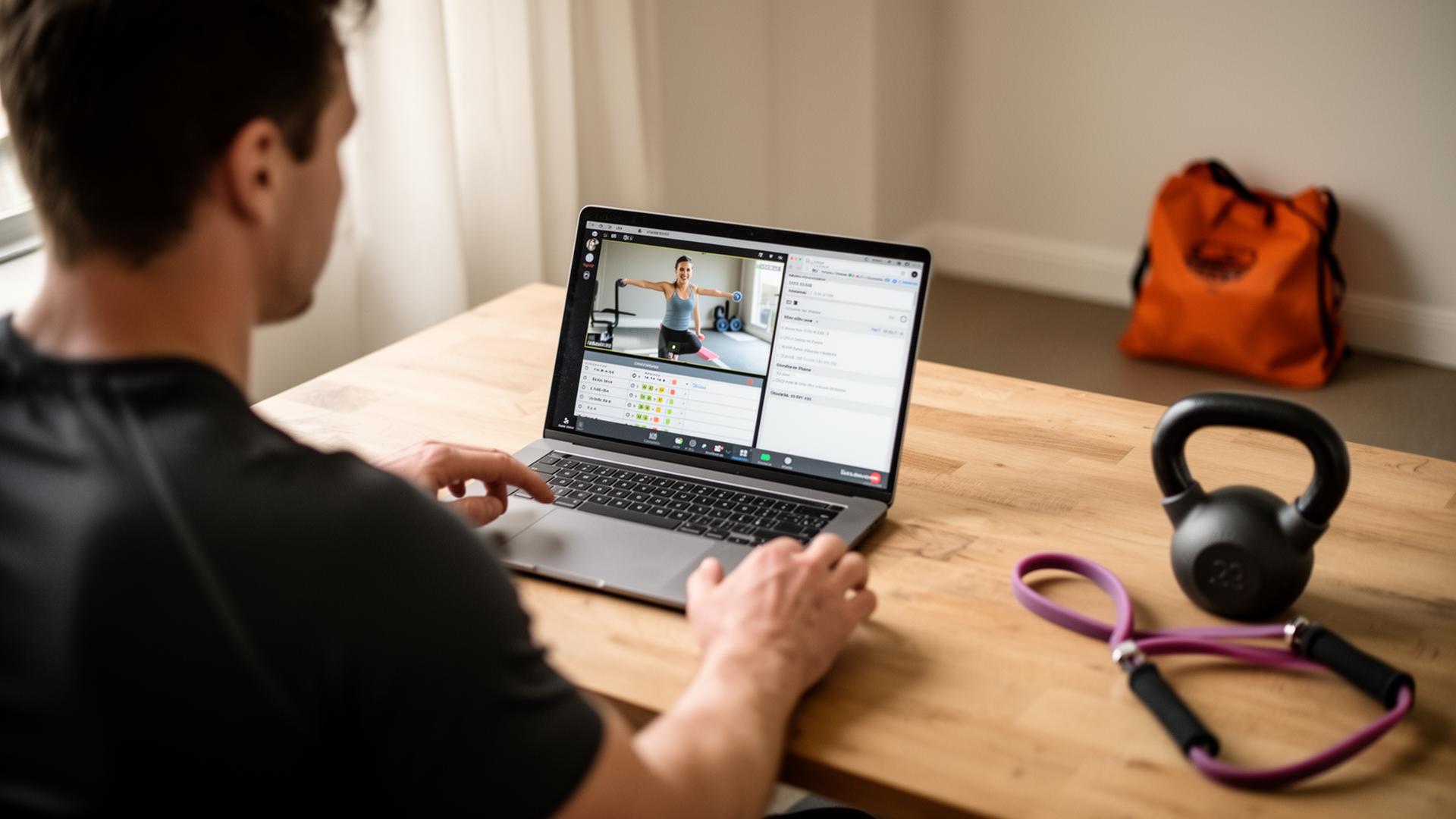
Once you have shortlisted an appropriate professional, schedule a brief fifteen-minute consultation via phone or video call to assess their communication style and personal demeanour. Do not treat this discussion as a casual conversation; instead, use this targeted time to ask direct questions about their coaching philosophy, facility access, and cancellation policies. A truly qualified trainer will ask deep, investigative questions regarding your medical history, current sleep patterns, and daily nutritional habits before they even propose a training routine. Pay close attention to how they communicate complex physiological movements; if they use excessive industry jargon, they may not be suited to your learning style.
Identifying Red Flags During Screenings
During this short screening interaction, you must remain highly analytical of how the instructor conducts themselves and explains their personal training services. Be cautious of any practitioners who guarantee rapid physical transformations, promise precise aesthetic outcomes within an unrealistic timeframe, or pressure you into purchasing expensive session packages during the initial call. Real physiological adaptations, joint mobility improvements, and muscular strength gains require consistent, evidence-based work over several months, meaning an ethical professional will always manage your expectations realistically. A reputable trainer will also gladly provide written terms of service regarding cancellations and session expirations before requesting payment.
"An accredited personal trainer prioritises client health and physical safety by conducting a thorough medical screening and physical assessment before prescribing any exercise programme."
Sophie Marshall
Editor, REPs
Sophie writes the REPs consumer guides and has covered the UK fitness industry for over a decade.