What to expect in your first personal training session
Walking into your first personal training session can feel intimidating if you do not know what to expect. Many people worry they will be pushed to their physical limits on day one or that they will feel out of place in a busy gym environment. In reality, a professional, accredited personal trainer uses this initial meeting to understand your physical baseline, discuss your goals, and ensure you can exercise safely. It is a collaborative foundation for your fitness journey, designed to make you feel comfortable and informed rather than completely exhausted.
Navigating the initial health and lifestyle consultation
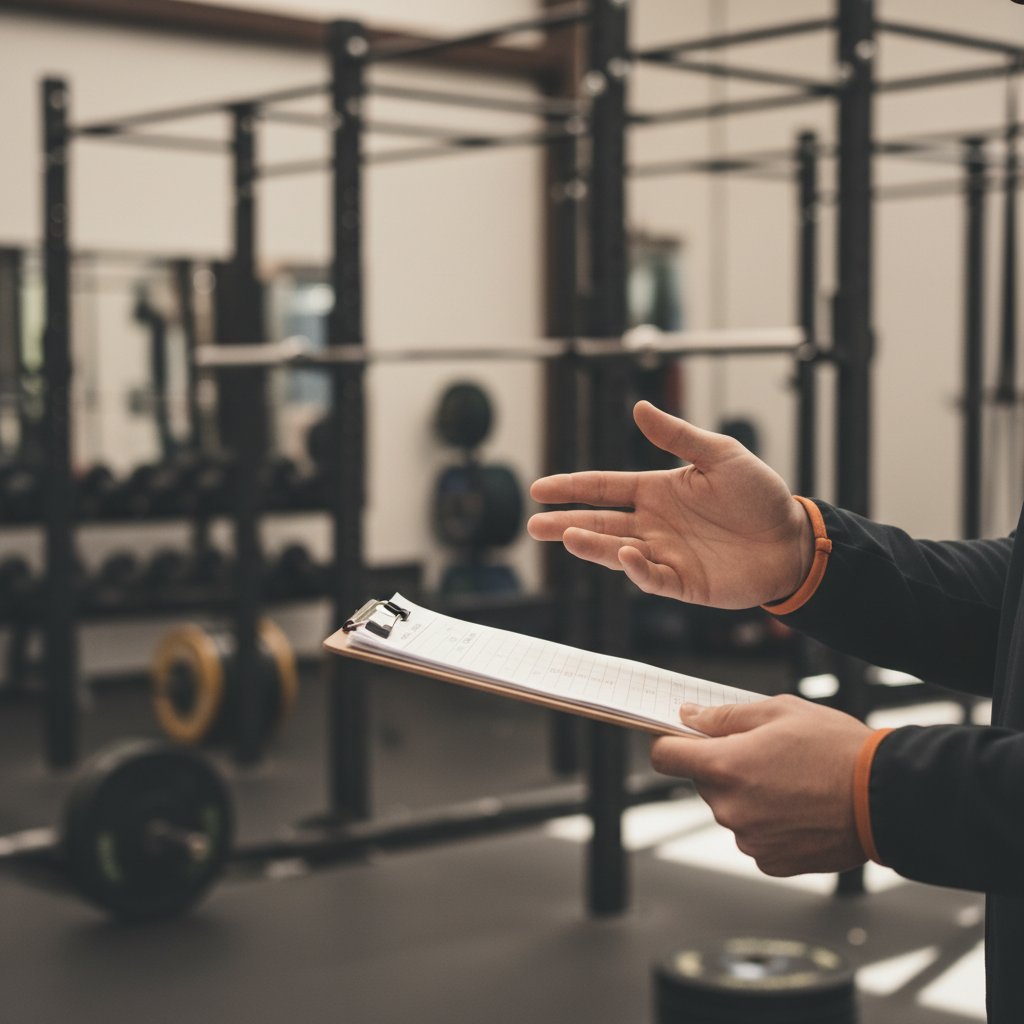
Your introductory session will almost certainly begin with paperwork rather than physical exercise. A qualified trainer will ask you to complete a Physical Activity Readiness Questionnaire, commonly known as a PAR-Q. This diagnostic form helps identify any underlying medical conditions, recent joint injuries, or cardiovascular risks that might require medical clearance from your GP before you start training. After completing these essential safety checks, you will sit down to discuss your lifestyle, work schedule, sleeping patterns, nutritional habits, and personal objective. This thorough, welcoming conversation allows your trainer to tailor a realistic programme that aligns seamlessly with your busy weekly routine, rather than handing you a generic copy-and-paste workout routine.
Establishing your baseline with basic movement assessments
- The trainer will typically observe your standing posture and shoulder alignment while you stand and move naturally through the training space.
- You may be asked to perform fundamental bodyweight movements, such as deep squats or walking lunges, to evaluate your current hip, ankle, and knee mobility.
- Basic cardiovascular checks might be conducted on a stationary exercise bike or standard treadmill to safely gauge your baseline aerobic energy capacity.
- Core stability and balance will be assessed through simple coordination tasks to find exactly where your strengths and weaknesses lie.
- Your trainer will carefully note any physical movement restrictions or tight muscle groups to address specifically in your future training blocks.
- Body composition measurements or weight assessments may be offered, though a professional will always make these entirely optional based on your comfort.
What physical exercise actually happens in session one
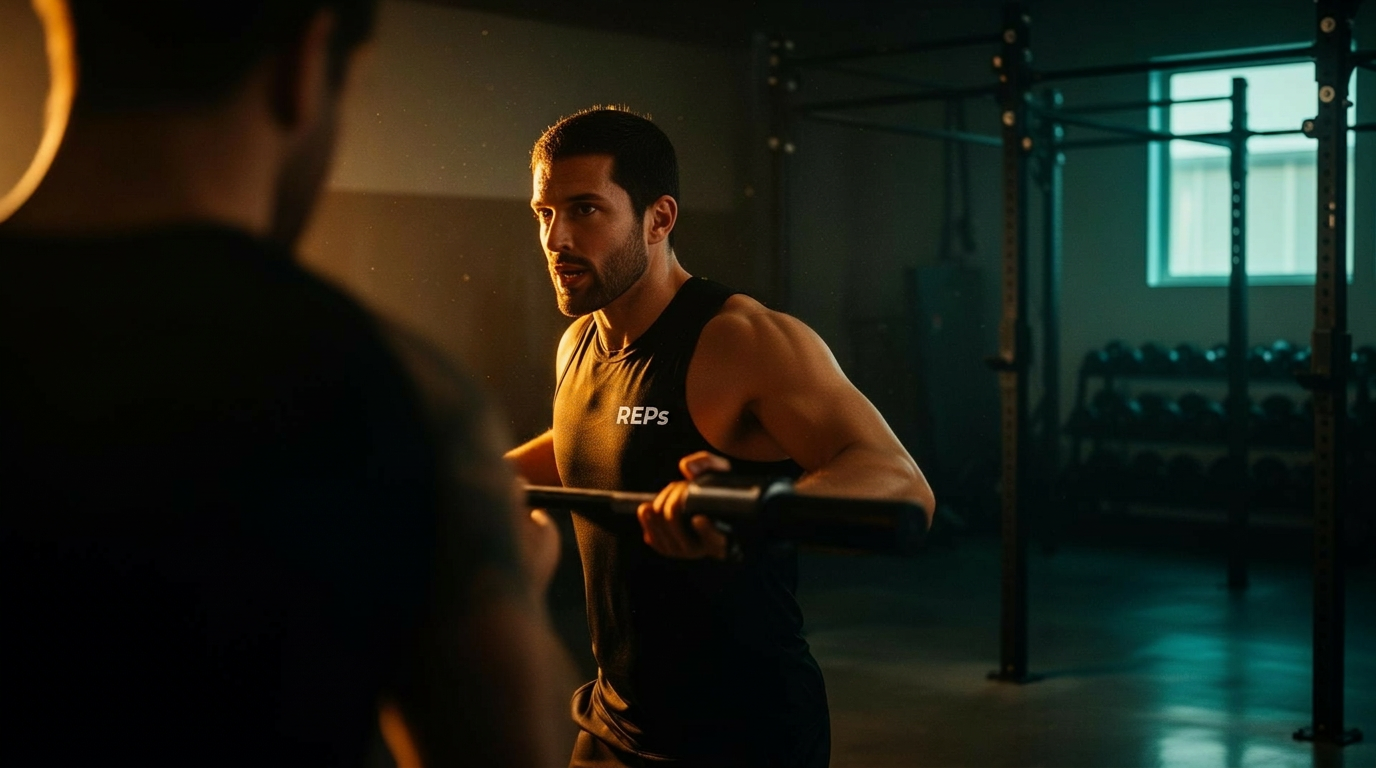
Once the formal physical assessments are complete, you will transition to light physical activity. This final portion of the session is not designed to leave you exhausted, sweaty, or excessively sore the next morning; instead, it is an educational walkthrough. Your trainer will demonstrate core exercises, guide you through proper lifting techniques, and teach you how to adjust and use standard gym machinery correctly. You will practice these exercises with very light weights or basic bodyweight resistance. This hands-on phase allows the trainer to watch how your body responds to coaching cues and ensures you feel safe, comfortable, and confident before any intensity is applied.
Recognising the warning signs of a poor introduction
It is equally important to understand what should never happen during your initial session. A reputable trainer will never skip the medical health check or immediately force you into high-intensity circuits that leave you gasping for air. You should never feel pressured to purchase expensive nutritional supplements or sign up for highly restrictive meal plans. If a trainer ignores your physical discomfort, dismisses your personal boundaries, or spends the hour looking at their mobile phone rather than carefully monitoring your lift form, they are not meeting the professional standards we verify at REPs. Your personal physical safety should always remain their absolute priority.
"A professional fitness journey must always begin with mutual communication, active listening, and physical safety, not physical exhaustion."
Sophie Marshall
Editor, REPs
Sophie writes the REPs consumer guides and has covered the UK fitness industry for over a decade.